
You have an outdated webbrowser. The website might not work correctly.
When looking at the stars, it's easy to think of a telescope. Nevertheless, binoculars often offer a surprising number of possibilities. If you are new at stargazing, a good pair of binoculars will be the perfect way to start! It is lower priced, versatile and can also be used during walks or when travelling. This means that the purchase of binoculars for stargazing remains valuable, even if astronomy does not become your regular hobby.
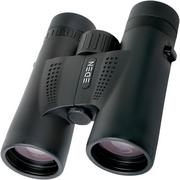

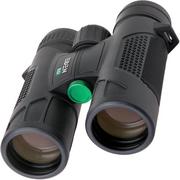

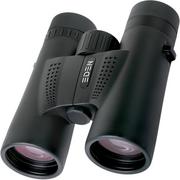

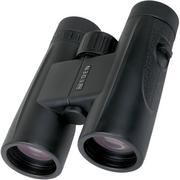

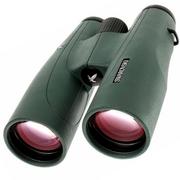

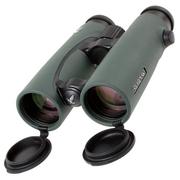

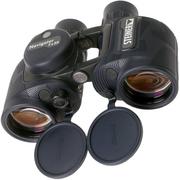

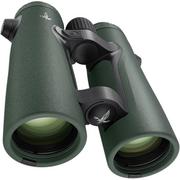


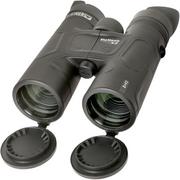

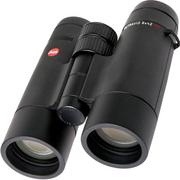

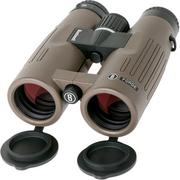

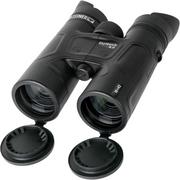

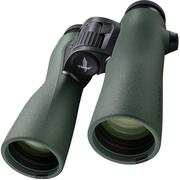

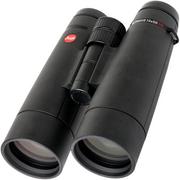

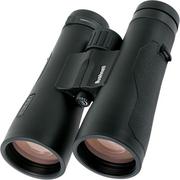

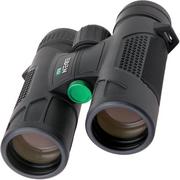


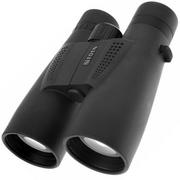

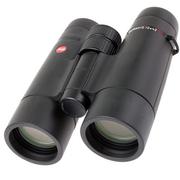

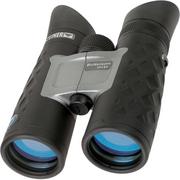

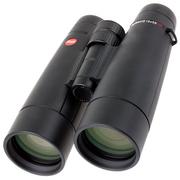

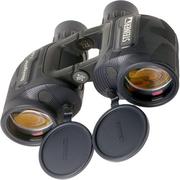

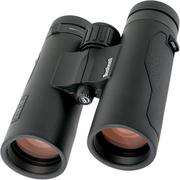

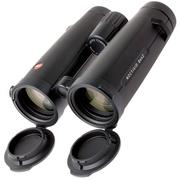


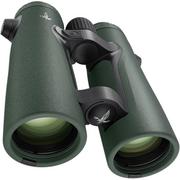

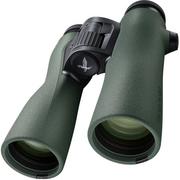

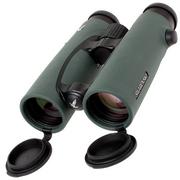

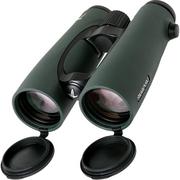

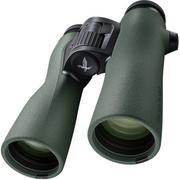


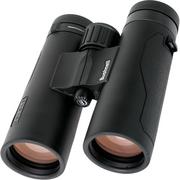

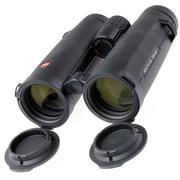

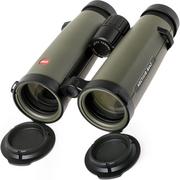

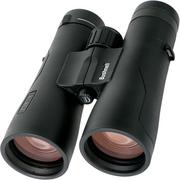

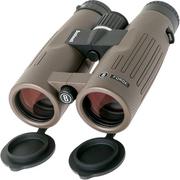

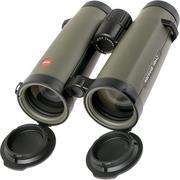


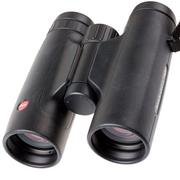


Every pair of binoculars shows more stars than you can see with the naked eye. Still, there are specific characteristics that make a difference during night-time observations. Consider higher magnification, a wide objective lens and a comfortable exit pupil. These factors determine how much light the astronomical binoculars capture and how stable the image remains.
When stargazing, a large exit pupil is important. This is the circle of light that reaches your eye through the binoculars. In the dark, your pupils dilate to take in more light. Connect the exit pupil of the binoculars for stargazing to this, and you will experience a clear and steady image.
The magnification factor indicates how close an object appears. For astronomy, a higher magnification is desirable, for example 12x or more, because you are often looking at very distant objects. However, the greater the magnification, the more sensitive the image becomes to movement. Therefore, it is best to use a binocular tripod to avoid vibrations and to be able to watch in a relaxed manner.
A large front lens allows more light to pass through, which is indispensable at dusk and at night. A lens diameter of 50 mm or more allows you to see more detail, from star fields to the moon. The larger the lens of the binoculars for stargazing, the greater the light output, although this also increases the weight of the binoculars.